
Why Certain Homes Sell Fast (and Some Sit)
Across Pasadena, Altadena, Silver Lake, Los Feliz, Highland Park, and Eagle Rock, Pre-1970 homes that are properly positioned are typically trading in two to three weeks.
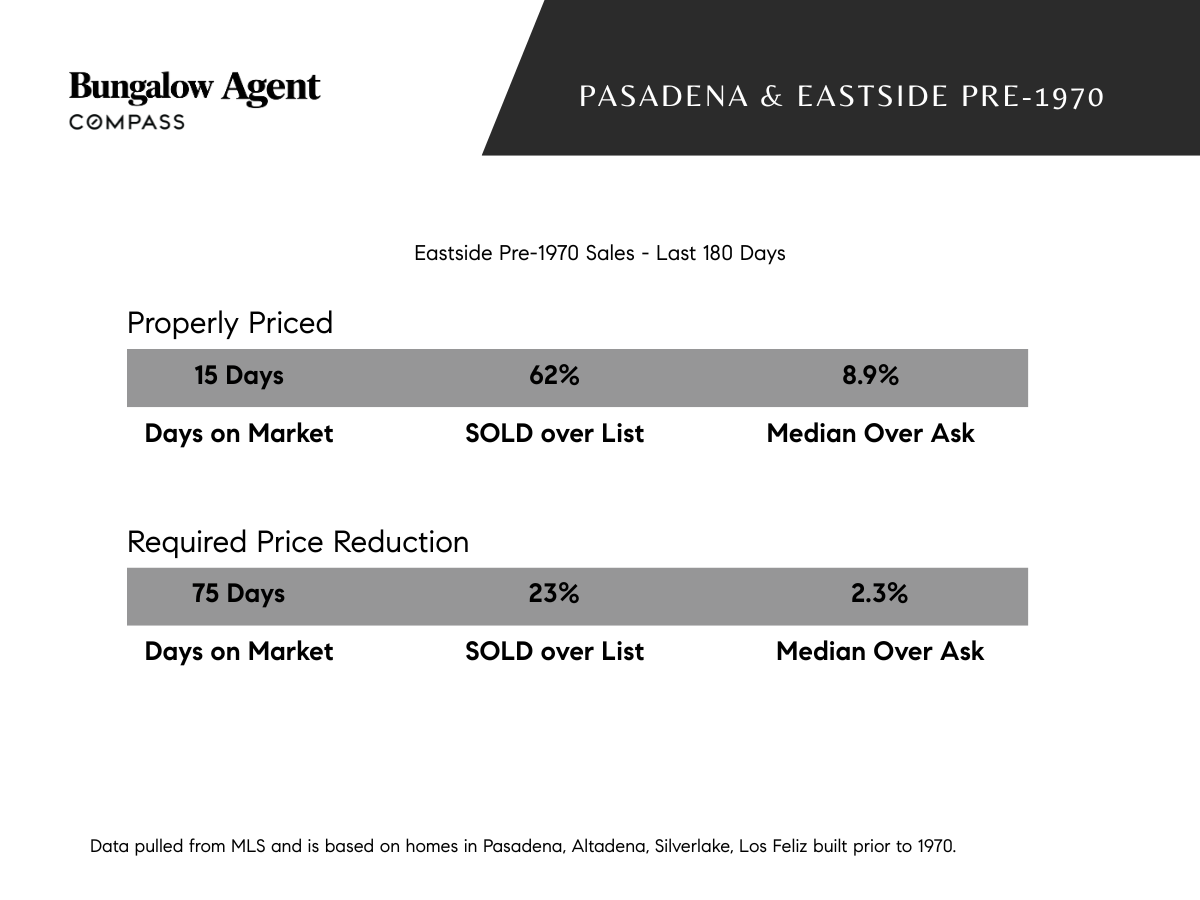
Over the last 180 days, the median Days on Market for closed Pre-1970 homes across these neighborhoods was approximately 17 days.
That is the clearing zone.
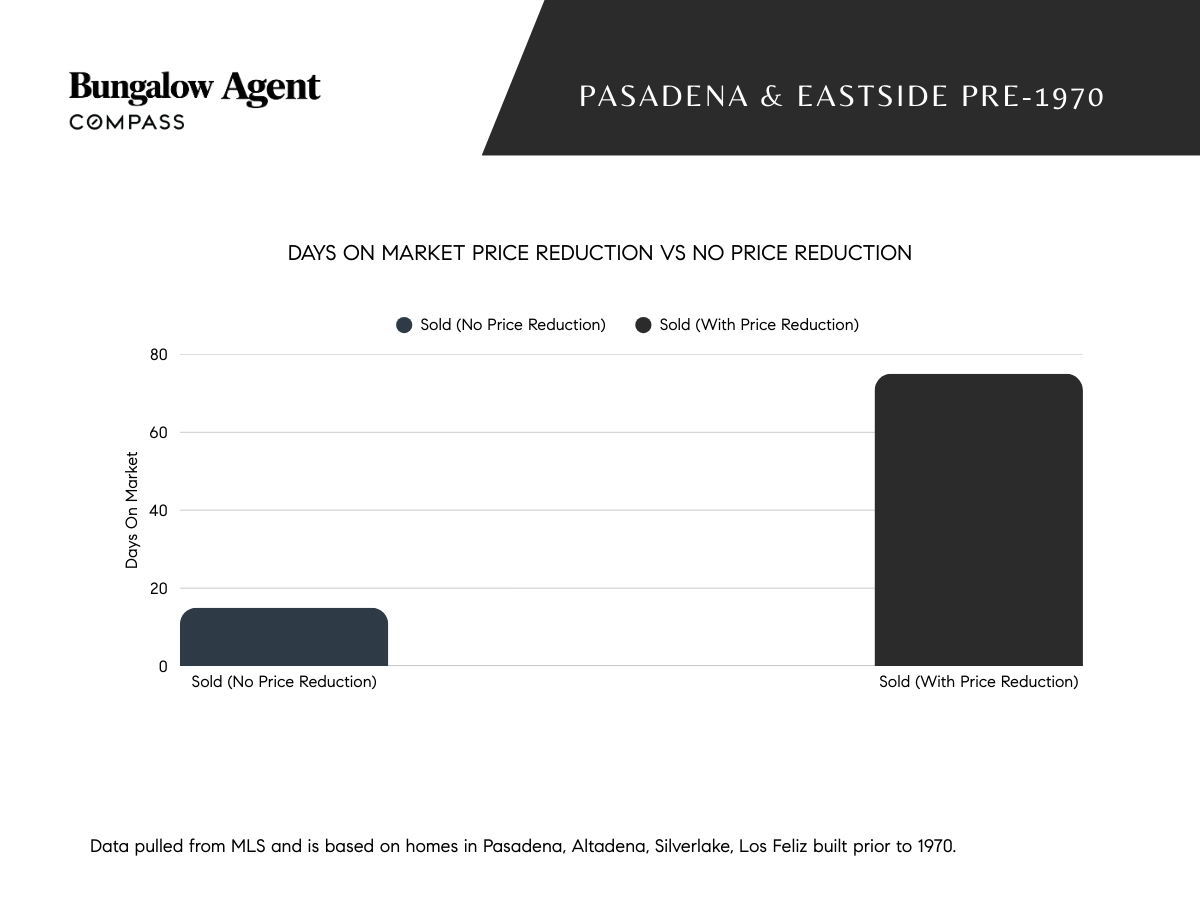
Listings that required a price reduction took a median of roughly 75 days to sell.
Same era. Same markets. Very different outcomes.
Fast sales are not luck. They are aligned.
The Days on Market Gap
When homes are priced correctly and launched properly, the market responds quickly.
Recent data shows:
Median DOM (closed Pre-1970 homes): ~17 days
Homes that sold over list: closer to ~13 days
Homes that sold at or below list: closer to ~39 days
Homes that required a price reduction: ~75 days
That gap is the story.
Once a listing misses the market early, momentum is difficult to recover. Buyers begin to wonder what they are missing. Negotiating leverage shifts.
The difference between 17 days and 75 days is not cosmetic. It is strategic.
Price: Start With the Appraiser
Pricing should begin with what the market has already proven, not with optimism. Overpricing is a guaranteed way to have the home linger on the market. I always start my conversations around the appraisal price. This will be a factor for all buyers except those buying with cash (roughly 30% of the market)
If an appraiser walked through the home today, what would the number be?
That requires discipline:
Six similar sold comparables
Within half a mile
Closed in the last three months
Expanded to six months or one mile only if inventory requires it
From there, adjustments are made for square footage, condition, lot characteristics, layout, and permitted improvements.
This establishes a defensible value range.
Then search behavior enters the equation.
Buyers filter in $50,000 and $100,000 increments. Pricing just under a natural search bracket expands the audience. Pricing just over it narrows the pool.
The market is mechanical.
Respect the mechanics.
Condition: Remove Friction Before You Launch
Price gets buyers in the door.
Condition determines whether they write.
Preparation does not mean over-improving. It means eliminating doubt.
Declutter. Edit. Re-stage with restraint. Let the architecture read clearly. Older homes benefit from visual clarity more than most.
A pre-inspection is one of the most underutilized tools in this process. It is not about fixing everything. It is about understanding everything.
Identify material issues. Address what makes sense. Build transparency into your disclosures.
Homes that surprise buyers in escrow slow down.
Homes that feel understood move forward.
Marketing: Confidence Is Built Before the First Showing
Professional photography and floor plans are expected.
What differentiates performance in Prewar and Midcentury homes is context.
Permit history matters. Additions should be verified. Functional changes should be clearly explained. Architectural intent should be articulated.
Buyers respond to competence.
Confidence shortens Days on Market.
Launch Strategy: Concentrate Demand
Exposure without coordination dilutes impact.
A focused launch creates urgency and clarity.
My standard sequence is simple:
One day in Coming Soon status
Alignment with Broker Caravan (Tuesday in Los Angeles, Thursday in Pasadena)
Two-day open house window, Saturday and Sunday
This concentrates attention into a defined period.
If early traffic is strong, setting a clear offer deadline after the first weekend allows serious buyers to act while momentum is high.
Homes that launch softly often linger.
Why Homes Sit
Homes typically sit for predictable reasons:
Aspirational pricing
Missing key search brackets
Unclear or deferred maintenance
No pre-inspection
Weak launch structure
Price reductions after momentum fades
Across these Eastside neighborhoods, listings that required a reduction took roughly four times longer to sell than those that did not.
Era does not determine Days on Market.
Execution does.
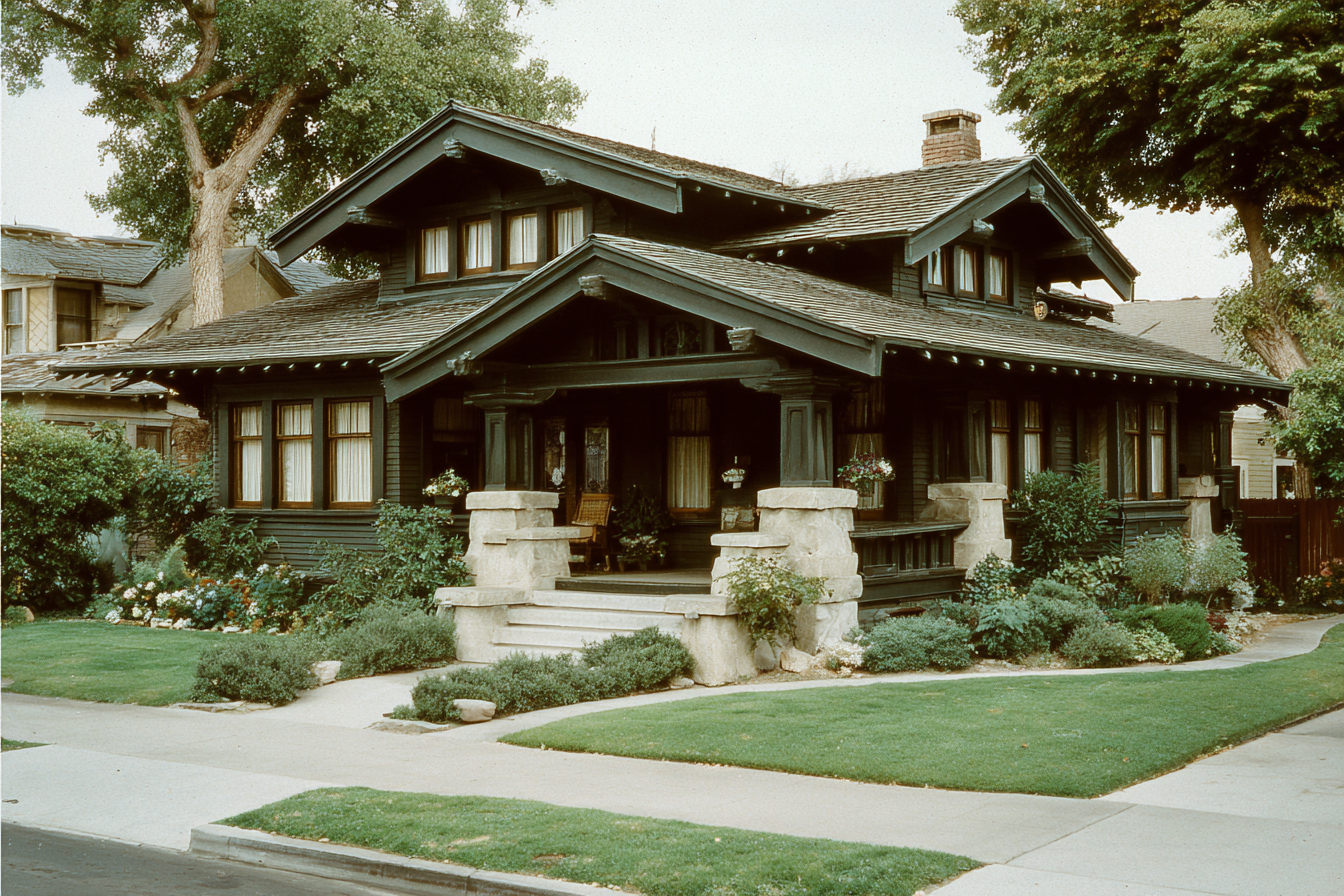
A well-positioned 1912 Craftsman and a well-positioned 1958 MidMo will perform similarly. A poorly positioned version of either will not.
Fast sales are engineered.
They begin with disciplined pricing, continue with thoughtful preparation, and culminate in a coordinated launch.
The data makes that clear.
Michael Robleto
PreWar & MidCentury Specialist
Compass
213-595-4720
michael.robleto@compass.com
About The Author
Michael Robleto is a Los Angeles–based REALTOR® specializing in historic, pre-war, and mid-century residential properties, with a focus on Pasadena, Altadena, and Eastside neighborhoods, including Los Feliz, Silver Lake, Eagle Rock, and Mount Washington.
Known for his deep understanding of older homes and residential construction, Michael helps clients navigate the complexities of historic properties—from aging mechanical systems to long-term ownership considerations. His approach combines data-driven guidance with thoughtful, modern marketing, allowing clients to make informed decisions in changing markets.
A California native and the son of a contractor, Michael grew up in an older bungalow and has spent more than two decades studying Southern California’s residential architecture. He currently serves as Chairman of the Board of Pasadena Heritage and writes about homeownership strategy, architecture, and market dynamics through his Bungalow Agent platform.



DTLA condo market hurts sellers but buyers gain