
What to Look for When Touring an Older Home
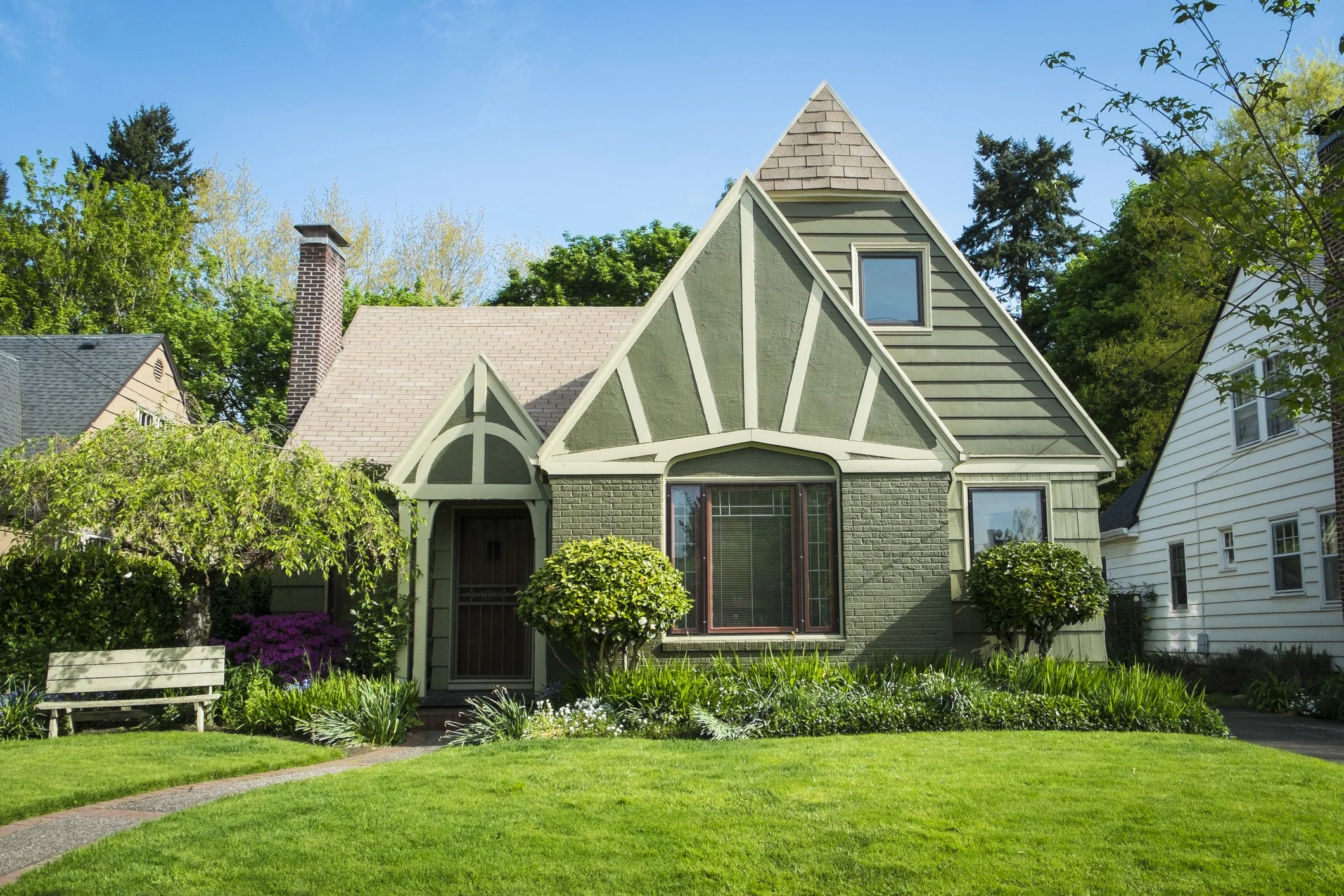
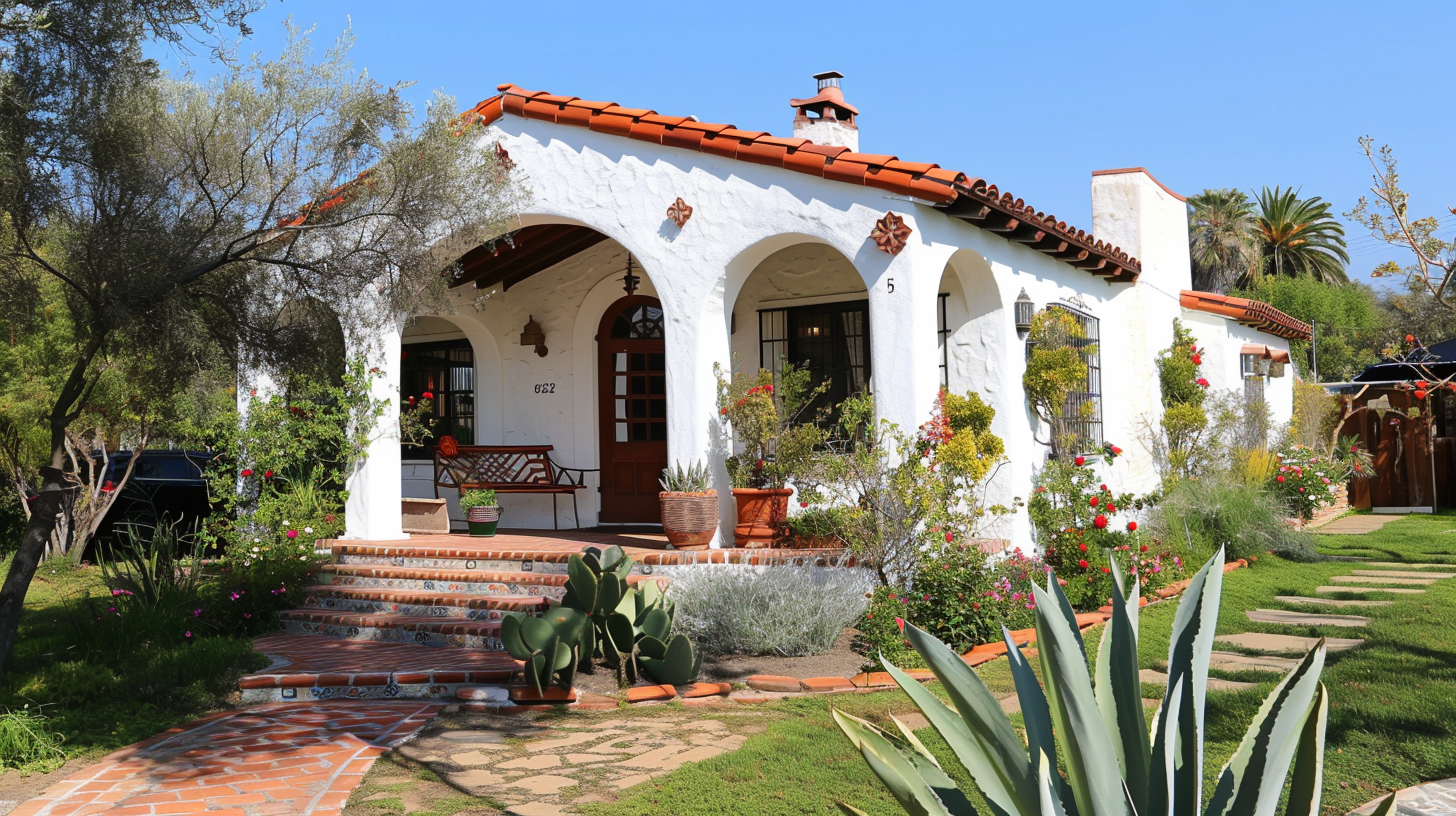
In my markets, 60% of the homes on the market were built prior to 1940. That means plaster walls, raised foundations, segmented floor plans, and systems that have evolved over decades.
When buyers walk into an older home without a framework, they tend to react emotionally. They notice cracks. They question slope. They focus on finishes.
The better approach is structured evaluation.
When I tour an older home with a client, we move through three lenses: systems, layout, and integrity.
Systems: How the House Performs
Before discussing tile or staging, look at the mechanics. Roof age. Electrical panel capacity. Plumbing supply lines. HVAC equipment and foundation.
Older homes often show incremental upgrades. A new panel but aging plumbing. A recent furnace but original ducting. This is not unusual. The question is whether improvements were thoughtful and cohesive, and what remaining life cycle looks like.
Capital systems drive risk and pricing strategy. Cosmetics do not.
Layout: How the House Lives
PreWar homes were designed for a different era. Kitchens may be smaller and more compartmentalized. Bedrooms may not include a true primary suite. Storage can be limited.
The key distinction is between cosmetic modernization and structural limitation. Opening a kitchen to a dining room is one level of intervention. Reworking load paths or foundation lines is very costly different type of renovation entirely.
Ceiling height, window placement, and orientation often matter more than square footage alone. Good proportions and natural light can outweigh dated cabinetry.
Integrity: How the House Endures
Age is not a defect. In Southern California, slight floor slope and minor plaster cracking are common in homes approaching 100 years old. Settlement happens. Materials expand and contract.
What deserves attention is pattern and severity. Horizontal foundation displacement. Evidence of ongoing moisture intrusion. Poorly integrated additions. Improvised structural modifications.
In earthquake country, foundation bolting and shear resistance are often more relevant than hairline cracks in drywall.
Context: The Land and the Street
Older homes frequently sit on superior lots. Wider parcels. Mature landscaping. Architectural consistency.
Land value and neighborhood stability often underpin long term appreciation more than interior finishes. A well located 1926 home with average upgrades may outperform a heavily remodeled home on a compromised lot.
The Objective
The purpose of touring an older home is not to eliminate risk. Every property carries it. The objective is to understand condition, separate age from defect, and price accordingly.
Buyers who evaluate systems first, layout second, and integrity third make stronger offers. Knowledge reduces anxiety. Structure improves negotiation.
That is how you tour an older home with confidence.
Michael Robleto
PreWar & MidCentury Specialist
Compass
213-595-4720
michael.robleto@compass.com
About The Author
Michael Robleto is a Los Angeles–based REALTOR® specializing in historic, pre-war, and mid-century residential properties, with a focus on Pasadena, Altadena, and Eastside neighborhoods including Los Feliz, Silver Lake, Eagle Rock, and Mount Washington.
Known for his deep understanding of older homes and residential construction, Michael helps clients navigate the complexities of historic properties—from aging mechanical systems to long-term ownership considerations. His approach combines data-driven guidance with thoughtful, modern marketing, allowing clients to make informed decisions in changing markets.
A California native and the son of a contractor, Michael grew up in an older bungalow and has spent more than two decades studying Southern California’s residential architecture. He currently serves as Chairman of the Board of Pasadena Heritage and writes about homeownership strategy, architecture, and market dynamics through his Bungalow Agent platform.



DTLA condo market hurts sellers but buyers gain